Leg Spider Vein Removal: Your Comprehensive Guide to
Published 2024-09-01
From Causes to Treatments: Navigate Your Options for Vein-Free Skin
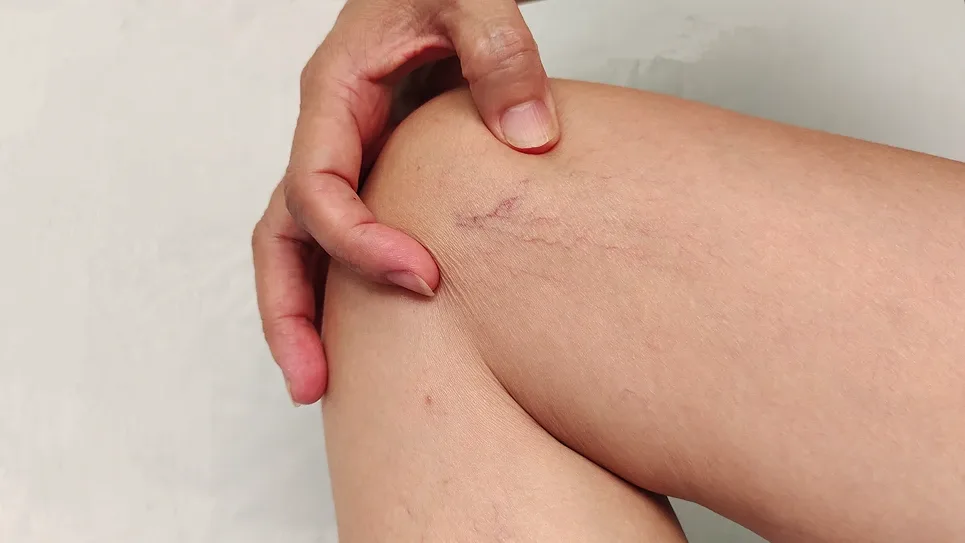
In the United States, an astonishing 30-60% of adults grapple with varicose or spider veins, with women being more susceptible than men. This widespread aesthetic concern isn't just about looks – it can sometimes indicate underlying circulatory issues.
As the demand for vein removal procedures surges, it's crucial to understand what's really involved before taking the plunge.
The Science Behind Spider Veins
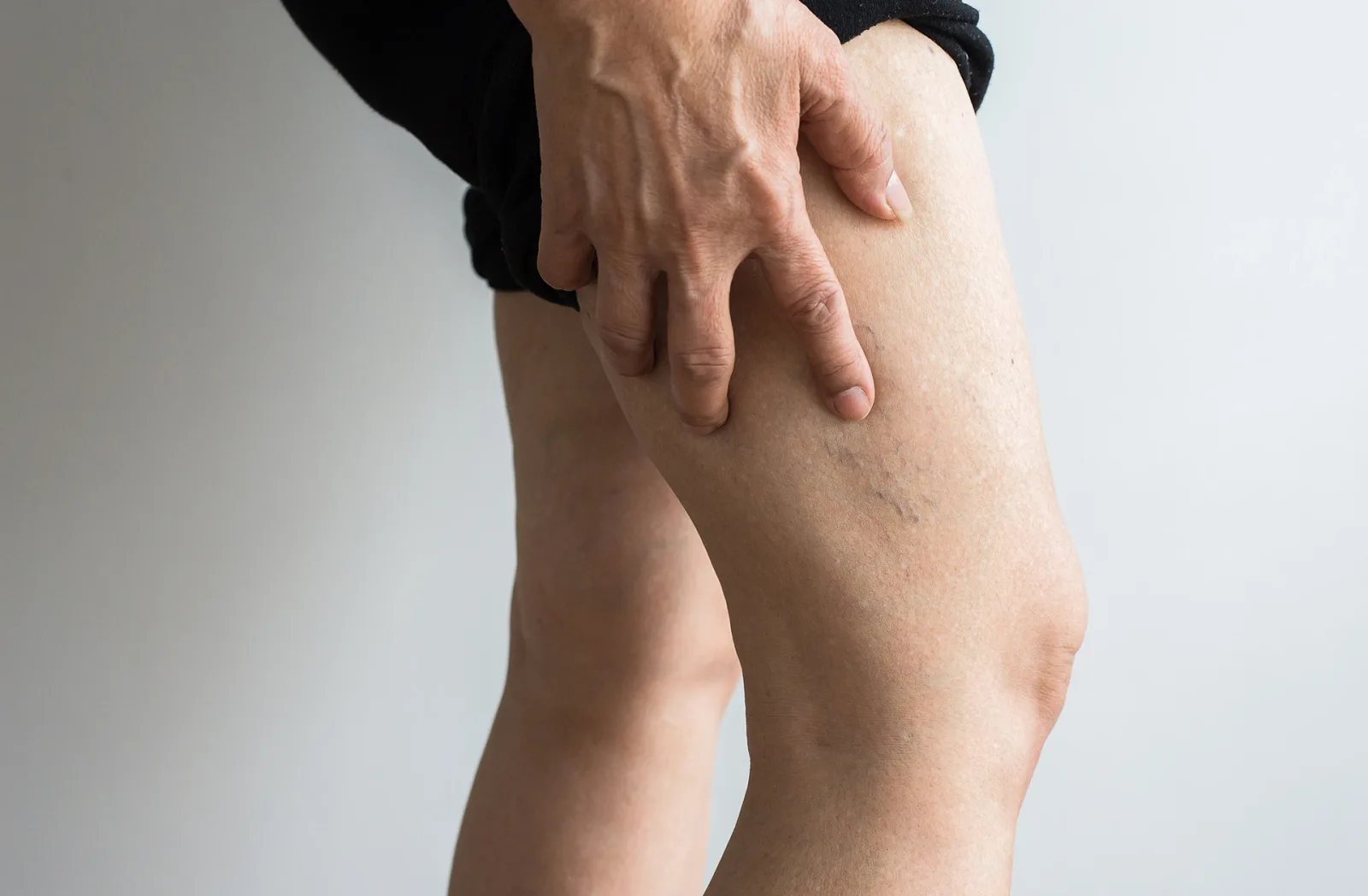
Spider veins, those small, twisted blood vessels visible through the skin, occur when valve walls within veins weaken and allow blood to pool. This pooling causes the veins to enlarge and become visible on the skin's surface.
Factors Contributing to Spider Veins:
- Genetics
- Hormonal changes
- Prolonged standing
- Obesity
Interestingly, some studies suggest that regular exercise and maintaining a healthy weight can significantly reduce the risk of developing spider veins.
Non-Invasive Treatment Options
Before considering surgical intervention, many doctors recommend trying non-invasive treatments first. These methods can often provide relief and improve appearance without the need for more aggressive procedures.
Popular Non-Invasive Treatments:
- Compression stockings: Help improve blood flow and reduce swelling
- Lifestyle changes:
- Elevating legs when resting
- Avoiding prolonged standing
- Topical treatments: Containing vitamin K or horse chestnut extract, which may help strengthen vein walls and improve circulation
Sclerotherapy: The Gold Standard
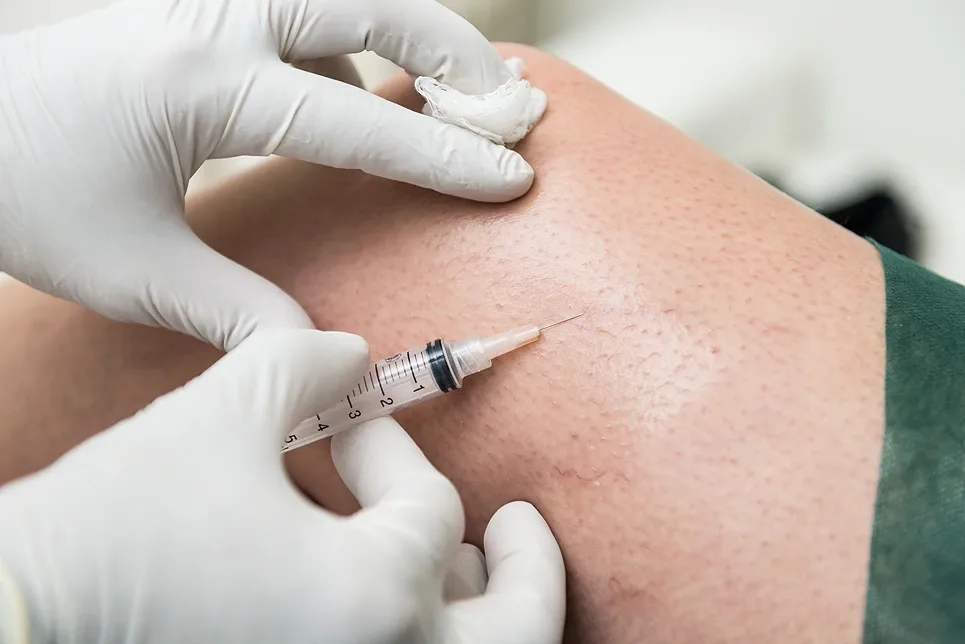
Sclerotherapy remains the most common and effective treatment for spider veins. This procedure involves injecting a solution directly into the affected veins, causing them to collapse and eventually fade away.
Aspect
Details
Duration
15-30 minutes per session
Sessions
Multiple required for optimal results
Success Rate
Up to 80% improvement in treated veins
Note
New spider veins may develop over time
Laser Therapy: A Light-Based Solution
For those averse to needles, laser therapy offers a needle-free alternative for spider vein removal. This treatment uses focused light energy to heat and destroy the targeted veins without damaging surrounding tissue.
Key Points:
- Particularly effective for smaller spider veins
- Can be used on all skin types
- Generally less painful than sclerotherapy
- Multiple sessions often required
- More expensive than some other options
- Achieves up to 75% clearance of treated veins after several sessions
The Rise of Radiofrequency Ablation
Radiofrequency ablation (RFA) is gaining popularity as a minimally invasive option for larger varicose veins that may contribute to spider vein formation. This technique uses heat to seal off problematic veins, redirecting blood flow to healthier vessels.
RFA Benefits:
- Quick recovery time (most patients return to normal activities within 24 hours)
- High success rate (over 90% for vein closure at three years post-treatment)
- Can indirectly improve the appearance of associated spider veins
The Importance of a Qualified Surgeon
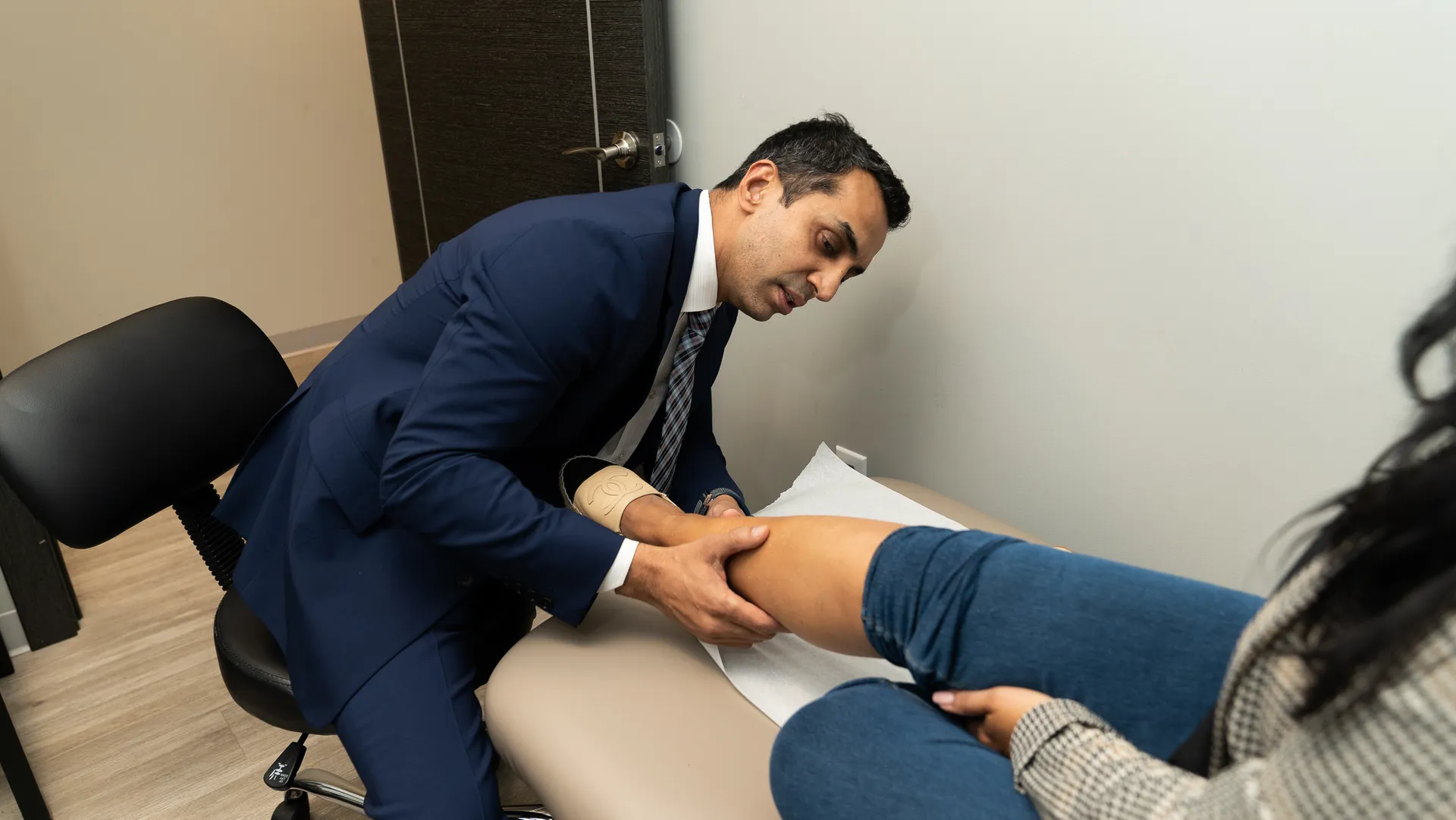
Choosing the right surgeon is crucial for achieving optimal results and minimizing risks. Board-certified vascular surgeons or dermatologists with specific training in vein treatments are best equipped to handle spider vein removal procedures.
When Selecting a Surgeon, Consider:
- Experience
- Success rates
- Patient reviews
- Thorough assessment of your condition
- Appropriate treatment plan recommendations
Remember, investing in a qualified professional can save you time, money, and potential complications in the long run.
Recovery and Aftercare
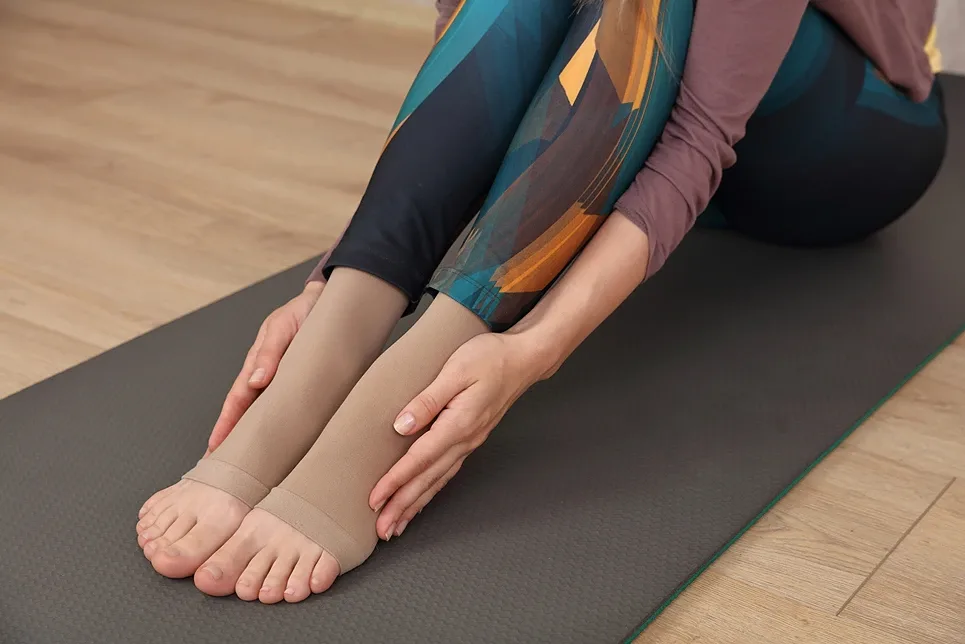
Understanding the recovery process is essential for setting realistic expectations and ensuring the best possible outcomes. Most spider vein removal procedures require little to no downtime, but proper aftercare is crucial.
Aftercare Guidelines:
- Wear compression stockings for several days to weeks following treatment
- Walk regularly to promote circulation
- Avoid strenuous exercise for a short period
- Protect treated areas from sun exposure
- Be patient – full results may take several weeks to months to become apparent
Potential Risks and Side Effects
While spider vein removal procedures are generally safe, they're not without risks. It's important to discuss potential complications with your surgeon before proceeding with any treatment.
Common Side Effects:
- Bruising
- Swelling
- Mild discomfort at the treatment site
Rare but Serious Complications:
- Allergic reactions to sclerosing agents
- Skin burns from laser therapy
- Deep vein thrombosis
A thorough discussion with your surgeon about potential risks and how to minimize them is essential before proceeding with any treatment.
Your Journey to Clearer Legs
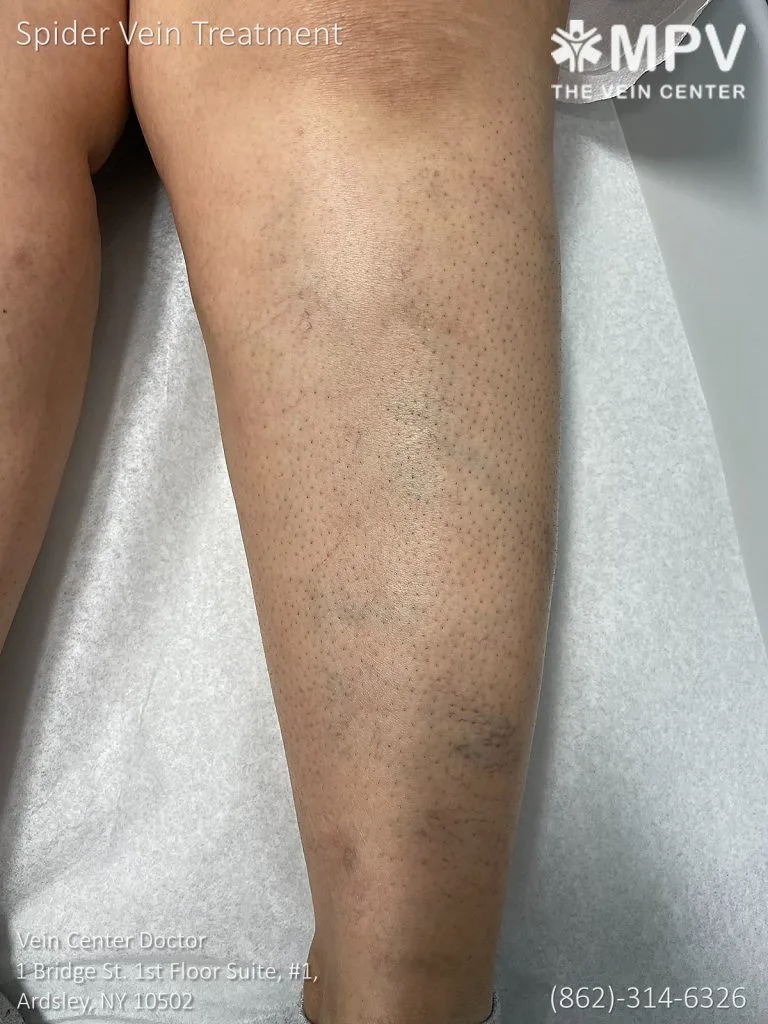
While the road to smoother, clearer legs might seem daunting, with the right approach and professional guidance, you can achieve the results you desire.
Your journey to confidence starts with knowledge – now you're ready to take the next step towards the legs you've always wanted.